Your goals in one place, not all over the place
You are not currently logged in.
If you don't have an account you can create one free and start making your list today!
Exploring the World's Flavors: Signature Dishes to Discover
Africa
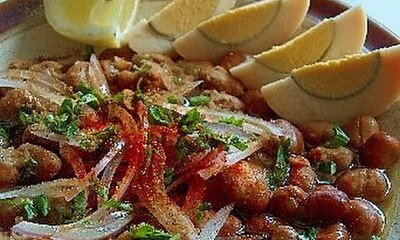
Eat ful medames in Sudan SUDAN
Ful medames is a beloved Sudanese staple, featuring slow-cooked fava beans mashed into a hearty stew and flavored with garlic, lemon, cumin, and olive oil. Often enjoyed as a breakfast dish, it is commonly topped with chopped tomatoes, onions, feta cheese, hard-boiled eggs, or tahini, served alongside fresh bread like baladi or kisra for a nourishing start to the day in Sudanese households and street vendors alike.
Ful medames is a common Sudanese breakfast made from fava beans cooked with garlic and cumin.
Try a traditional South African braai SOUTH AFRICA
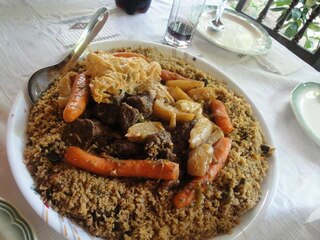
A traditional South African braai is an outdoor barbecue centered on grilling boerewors sausage, sosaties, and various meats like steak or lamb chops over wood or charcoal coals, typically held in backyards, parks, or beaches with family and friends. It involves preparing sides such as pap (maize porridge), chakalaka relish, and salads, while participants share drinks like beer or wine and spend hours chatting around the fire. Originating from Afrikaans culture, it's a staple social ritual for birthdays, weekends, or holidays, emphasizing simple preparation and communal eating.
"Braai" is Afrikaans for "roast" or "grill," central to South African social life since the 17th century.
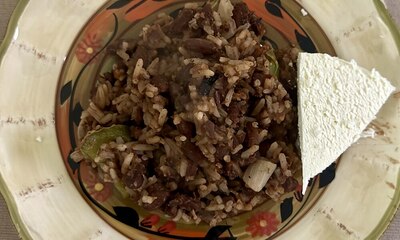
Eat riz gras in Burkina Faso BURKINA FASO
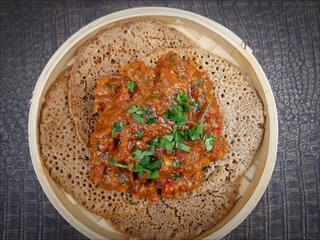
Riz gras is a staple rice dish from Burkina Faso, prepared by frying uncooked rice in oil with onions, garlic, and spices before boiling it in a tomato-based broth enriched with beef, mutton, or chicken, and often garnished with vegetables like carrots and cabbage. Commonly eaten at family gatherings, celebrations, and daily meals across the country, it provides a hearty, flavorful introduction to Burkinabé home cooking.
Riz gras, meaning "fat rice," is a beloved national dish in Burkina Faso made with rice, meat, and vegetables cooked in a rich tomato sauce.
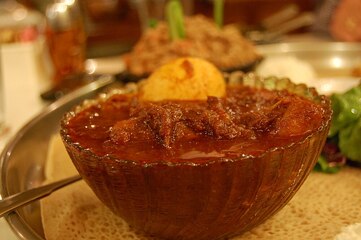
Eat zigini in Eritrea ERITREA
Zigini is a traditional Eritrean stew originating from the country's diverse ethnic cuisines, particularly among the Tigrinya people, made with chunks of beef or lamb simmered in a thick tomato-based sauce enriched by berbere spice blend, onions, garlic, and clarified butter. Served with injera flatbread for scooping, it forms a staple dish in home-cooked meals and communal gatherings across Eritrea, reflecting local agricultural staples like grains and livestock. In Asmara and rural highlands, zigini appears in everyday eateries, often paired with simple sides such as boiled greens or cottage cheese.
Eritrean zigini, also known as tsebhi, is a spicy stew traditionally made with goat or lamb meat simmered in berbere spice blend.
Eat thieboudienne in Senegal SENEGAL
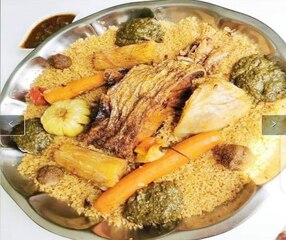
Thieboudienne, Senegal's national dish, consists of rice cooked in a tomato-based broth infused with smoked fish, dried fish, shellfish, and vegetables like cassava, carrots, cabbage, and eggplant. Originating from coastal fishing communities, it is typically prepared in a single pot and served family-style on a large platter, reflecting communal eating traditions across the country.
Thieboudienne, meaning "rice in a pot" in Wolof, became Senegal's national dish after gaining independence in 1960.
Try koshari in Egypt EGYPT
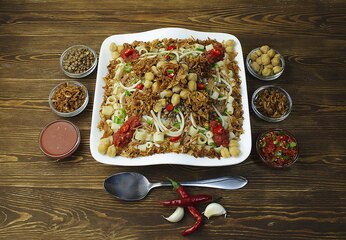
Koshari is a common Egyptian dish often sold by street vendors and in casual eateries, consisting of a mix of rice, lentils, macaroni, and chickpeas layered together and topped with a spiced tomato sauce, crispy fried onions, and optional garlic vinegar or hot sauce. It originated as an affordable meal for workers in the 19th century and remains a staple comfort food across the country, enjoyed by locals for its hearty, filling qualities.
Koshari is vegetarian and often served with garlic vinegar and chili sauce for flavor adjustment.
Try brik in Tunisia TUNISIA
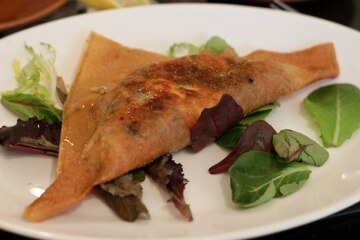
Brik is a traditional Tunisian dish made from thin warqa pastry folded around a filling that typically includes a raw egg, tuna, capers, and parsley, then deep-fried until golden and crisp. It's commonly eaten as a street food or appetizer in Tunisia, often accompanied by lemon wedges or harissa for added flavor.
Brik is a Tunisian pastry filled with egg and tuna, then deep-fried for a crispy texture.
Eat doro wat in Ethiopia ETHIOPIA
Doro wat is a traditional Ethiopian stew made with chicken simmered in a sauce of berbere spice mix, onions, garlic, ginger, and sometimes butter or oil, resulting in a rich, spicy flavor. It is commonly served with injera, a flatbread used to scoop up the stew, and holds cultural significance as a dish often prepared for special occasions and holidays in Ethiopia.
Doro wat is a spicy chicken stew made with berbere spice and served on injera bread.
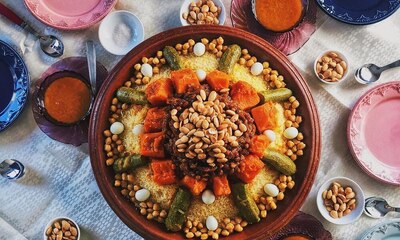
Eat couscous in Algeria ALGERIA
Couscous is a traditional staple in Algerian cuisine, typically prepared from steamed semolina grains and served with a stew of vegetables, chickpeas, and meats like lamb or chicken, often flavored with spices such as cumin and saffron. It holds cultural significance, commonly enjoyed during family gatherings, holidays, and weekly Friday meals across the country.
Couscous is Algeria's national dish, commonly served on Fridays with meat and vegetable stew.
ALSO ON DAY ZERO...
Get inspired with these ideas for interesting and different experiences around the world.
Take your goal setting to the next level with a whole set of exclusive features that will empower you to achieve more.
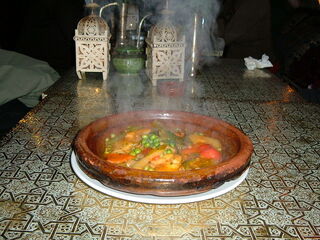
Try tagine in Morocco MOROCCO
Tagine is a traditional Moroccan stew named after the conical earthenware pot in which it's cooked. It usually features slow-simmered meat like lamb, chicken, or beef, along with vegetables, dried fruits, olives, and spices such as saffron, ginger, and cumin. The dish is a common meal in Moroccan households and eateries, often served with bread or couscous.
Tagine is a slow-cooked stew named after the conical earthenware pot used to prepare it.
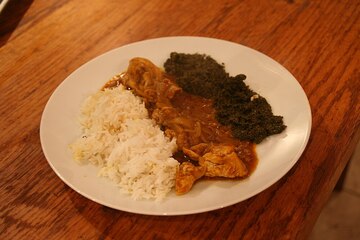
Eat muamba de galinha in Angola ANGOLA

Muamba de galinha is a traditional Angolan stew featuring chicken cooked in a thick sauce made from red palm oil, okra, garlic, onions, tomatoes, and chili peppers, often served with funge, a cornmeal porridge, as a common meal in households and at gatherings across the country.
Muamba de Galinha is Angola's national dish, made with chicken, palm oil, okra, and various spices.
Eat falafel in Egypt EGYPT
Falafel in Egypt, known locally as ta'ameya, is a popular street food made from ground fava beans mixed with herbs, spices, and onions, then shaped into balls or patties and deep-fried until crispy. It's commonly served in a pita bread sandwich with tahini sauce, salad, and pickled vegetables, and is a staple in markets and eateries across cities like Cairo, often enjoyed as an affordable breakfast or snack.
In Egypt, falafel is made from fava beans instead of chickpeas, offering a distinct texture.
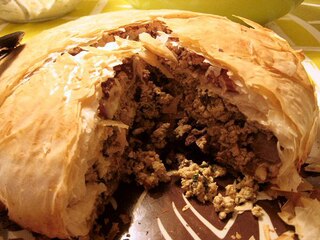
Eat pastilla in Morocco MOROCCO
Pastilla is a traditional Moroccan dish, often served at special occasions, consisting of thin, flaky pastry layers filled with shredded chicken or pigeon meat, eggs, almonds, and a mix of spices like cinnamon and saffron, then baked until golden and typically topped with powdered sugar and more cinnamon for a sweet-savory contrast.
Pastilla is a Moroccan dish featuring layers of thin pastry filled with pigeon, almonds, eggs, and spices.
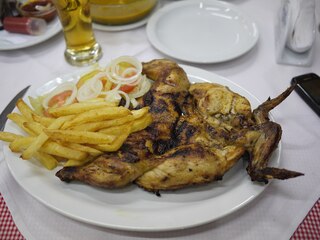
Eat piri-piri chicken in Mozambique MOZAMBIQUE
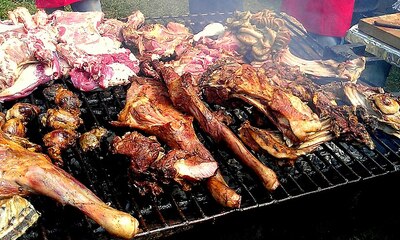
Piri-piri chicken, a beloved staple in Mozambican cuisine, features succulent grilled or roasted chicken marinated in a fiery sauce made from African bird's eye chilies (piri-piri), garlic, lemon, and herbs, reflecting the country's Portuguese colonial influences and coastal flavors, often served with rice, cassava leaves, or fresh salads for a spicy, tangy kick that's central to local street food and family gatherings.
Piri-piri chicken uses a marinade of bird's eye chilies, garlic, and lemon for its spicy flavor.
Eat nyama choma in Kenya KENYA
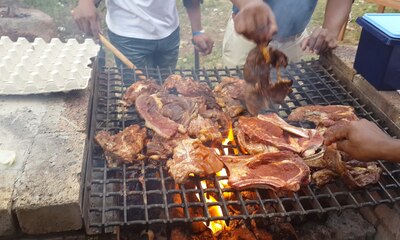
Nyama choma is a popular Kenyan dish consisting of grilled meat, typically goat or beef, seasoned simply with salt and roasted over an open charcoal fire. It's often enjoyed at roadside eateries or social gatherings, served in large portions with accompaniments like ugali (a maize flour porridge) and kachumbari (a fresh tomato and onion salad), reflecting a common way for locals to share meals and celebrate.
Nyama choma is grilled meat, usually goat or beef, served with ugali and kachumbari in Kenya.
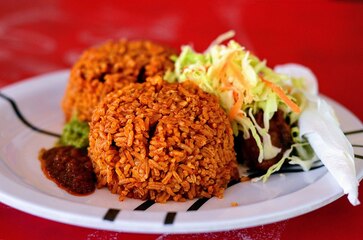
Eat jollof rice in Nigeria NIGERIA
Jollof rice is a beloved staple in Nigerian cuisine, originating from West Africa and celebrated for its vibrant flavors and cultural significance. This one-pot dish features long-grain rice simmered in a rich, spicy tomato-based sauce infused with onions, bell peppers, Scotch bonnet peppers, garlic, and a blend of seasonings like thyme, curry powder, and bay leaves, often accompanied by proteins such as chicken, beef, or fish, and sometimes vegetables. It's a centerpiece at parties, weddings, and family gatherings, symbolizing communal joy and national pride, with Nigerians passionately claiming their version as the superior one in friendly rivalries with neighboring countries like Ghana.
Jollof rice in Nigeria is made with long-grain rice, tomatoes, onions, and scotch bonnet peppers for heat.
Eat matoke in Uganda UGANDA
Matoke is a staple dish in Uganda made from steamed and mashed green bananas, typically served with peanut sauce, beef, fish, or chicken stew. In Uganda, it forms the core of many daily meals, especially in the central and western regions, where plantains are abundant and prepared in large pots over open fires for family gatherings or roadside eateries.
Matoke, a staple in Ugandan cuisine, is made from starchy bananas steamed in banana leaves.
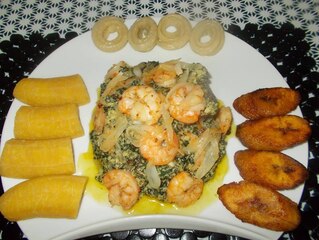
Eat ndolé in Cameroon CAMEROON
Ndolé is a traditional Cameroonian dish from the Bamiléké people of the western region, featuring bitter leaves stewed with ground peanuts, dried bitter almonds, and meat or fish like beef, goat, or prawns. It is thickened into a hearty sauce and served over plantains, bobolo (fermented cassava), or fufu, forming a staple at family gatherings and celebrations in Cameroon.
Ndolé is Cameroon's national dish, originating from the Douala ethnic group in the Littoral Region.
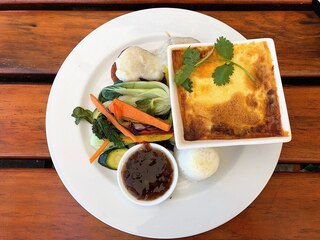
Eat bobotie in South Africa SOUTH AFRICA
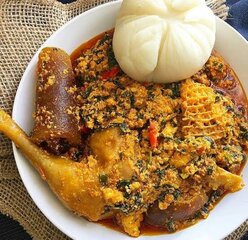
Bobotie is a beloved traditional dish in South Africa, originating from Cape Malay influences, featuring a savory mixture of ground meat—typically beef or lamb—blended with aromatic spices like curry powder, turmeric, and bay leaves, along with ingredients such as chutney, raisins, and almonds for a sweet-savory balance. The mixture is baked with a creamy egg custard topping until golden, often accompanied by yellow rice, sambals, or sliced bananas, making it a staple at family gatherings and a symbol of the country's diverse culinary heritage.
Bobotie is a baked dish made from spiced minced meat topped with an egg-based mixture.
Try fufu and egusi soup in Ghana GHANA
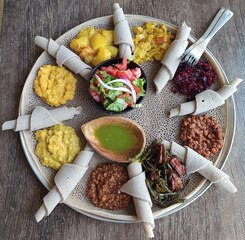
Fufu and egusi soup is a staple dish in Ghana, especially among the Akan and other ethnic groups in the southern regions. Fufu, a dough-like ball made from pounded cassava and plantain or yam, serves as the base to scoop up the thick egusi soup, prepared with ground melon seeds, assorted meats or fish, palm oil, onions, peppers, and leafy greens like spinach. Eaten communally with hands from a shared bowl, it reflects everyday Ghanaian home cooking and is commonly found at chop bars in cities like Accra or Kumasi.
Fufu, a staple West African dish, is made by pounding cassava and plantain into a dough-like ball eaten with soups.
Try injera in Ethiopia ETHIOPIA
Injera is a staple flatbread in Ethiopian cuisine, made from fermented teff flour, which gives it a spongy texture and slightly sour taste. It serves as both an edible plate and utensil, with various stews, vegetables, and meats placed directly on top and torn pieces used to scoop up the food. Commonly eaten daily in Ethiopia, it's gluten-free and a key component of traditional meals like doro wat or kitfo.
Ethiopians eat injera using their right hand to tear pieces and scoop up food communally.
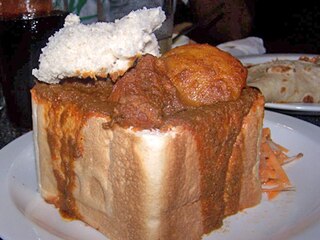
Eat bunny chow in South Africa SOUTH AFRICA
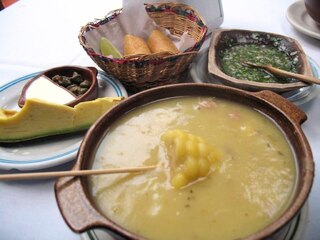
Bunny chow is a beloved South African street food originating from Durban's Indian community in the mid-20th century, consisting of a hollowed-out quarter, half, or full loaf of white bread filled with spicy curry—typically featuring chicken, mutton, lamb, or beans—along with vegetables like potatoes and carrots. This portable, utensil-free meal is eaten by hand, scooping the flavorful filling with pieces of the bread "bowl," and reflects the fusion of Indian flavors with local ingenuity, often enjoyed as a hearty, affordable takeaway in informal eateries across the country.
Bunny chow originated in Durban as a portable meal for Indian laborers using hollowed-out bread filled with curry.
Americas & Caribbean
Eat ajiaco in Colombia COLOMBIA
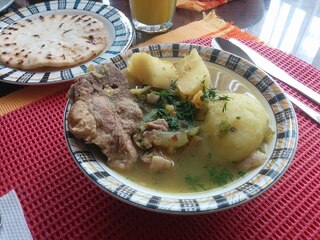
Ajiaco is a traditional Colombian soup originating from Bogotá, made with three varieties of potatoes—pastusa, criolla, and butifarra—along with chicken, corn on the cob, cilantro, capers, and a side of avocado and cream for topping. It is typically slow-cooked to meld the starchy potatoes into a thick broth, reflecting Andean highland ingredients and served as a comforting staple in local homes and restaurants, especially during cooler weather.
Ajiaco originated in the Andes highlands, blending indigenous and Spanish culinary traditions.
Try huitlacoche in Mexico MEXICO
Huitlacoche, also known as corn smut, is a fungus that grows on ears of corn in Mexico, where it is harvested and valued as an ingredient in traditional cuisine. It has a dark, earthy flavor and is commonly used in dishes like quesadillas, tacos, and soups, often sautéed with onions, garlic, and epazote. This delicacy is seasonal, appearing during the rainy months, and is available fresh or canned in markets across the country.
Huitlacoche is a fungus that infects corn ears and is harvested fresh during Mexico's rainy season.
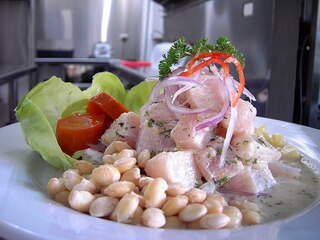
Eat ceviche in Peru PERU
Ceviche is a traditional Peruvian dish made from fresh raw fish or seafood marinated in lime juice, which "cooks" the protein through acidification. It's typically mixed with sliced red onions, aji peppers for heat, cilantro, and salt, then served cold with sides like boiled corn, sweet potato, and cancha (toasted corn kernels). Originating along Peru's coast, it's a staple in local cuisine, often enjoyed as a light lunch or appetizer, with variations using ingredients like shrimp, octopus, or mixed seafood depending on the region.
Peru's ceviche is made from fresh raw fish marinated in lime juice with onions and aji peppers.
Eat gallo pinto in Costa Rica COSTA RICA
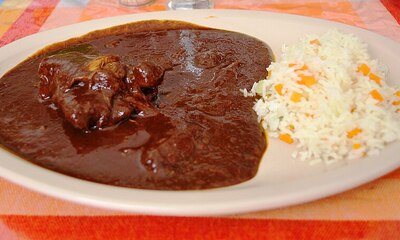
Gallo pinto is a traditional Costa Rican dish made from rice and beans mixed together, typically seasoned with onions, bell peppers, garlic, and cilantro. It is commonly eaten for breakfast, often accompanied by eggs, sour cream, or fried plantains, and reflects the country's simple, everyday cuisine using local ingredients like black or red beans.
Gallo pinto is a common Costa Rican breakfast made from leftover rice and black beans.
Try mole in Mexico MEXICO
Mole is a traditional sauce in Mexican cuisine, originating from regions like Puebla and Oaxaca, made by blending ingredients such as chili peppers, nuts, seeds, spices, and often chocolate to create a rich, layered flavor profile used in dishes like enchiladas or over poultry.
Mole poblano from Puebla includes chocolate and chilies, best tried over chicken at local eateries.
Try cuy in Peru PERU
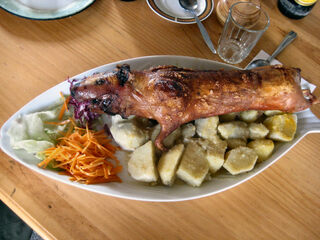
Cuy, or guinea pig, is a traditional delicacy in Peruvian cuisine, particularly in the Andean regions, where it has been domesticated and consumed for thousands of years since Incan times. Often roasted whole or fried, it is prized for its tender, flavorful meat and is commonly served during festivals, family gatherings, and special occasions, symbolizing cultural heritage and providing a protein-rich staple in rural communities.
Cuy, or guinea pig, is a traditional protein source in Peru, commonly roasted whole in Andean regions.
Eat sancocho in Dominican Republic DOMINICAN REPUBLIC
Sancocho is a hearty Dominican stew made with multiple meats like beef, pork, goat, and chicken, simmered with root vegetables such as yuca, ñame, plátano, and batata, plus corn on the cob and pumpkin, seasoned with sofrito of onions, garlic, peppers, and cilantro. Originating from the Dominican Republic's rural traditions, it serves as a communal dish for family gatherings, holidays like New Year's, or recovery from hangovers, typically ladled over rice or with avocado and lime on the side.
Every region in the Dominican Republic has its own sancocho variation, often featuring different meats like seven types in the classic version.
Try anticuchos in Peru PERU
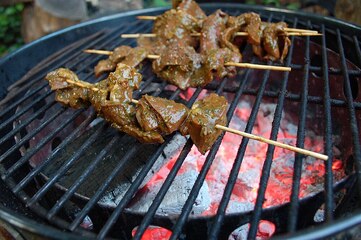
Anticuchos are skewered grilled beef hearts, a staple street food in Peru marinated in a blend of vinegar, garlic, cumin, and aji panca chili, then cooked over charcoal for a tender, smoky texture. Originating from Andean indigenous traditions and popularized in Lima's markets and vendors since colonial times, they are typically served with boiled potatoes, corn, and a spicy huancaina sauce, offering an affordable protein-rich snack enjoyed by locals at night markets.
Anticuchos originated from Incan times, when indigenous people grilled llama or alpaca hearts to survive Spanish conquest shortages.
Eat pupusas in El Salvador EL SALVADOR

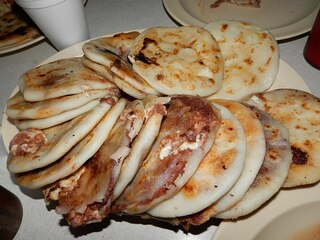
The goal is to travel to El Salvador and try pupusas, the country's national dish made from thick corn tortillas stuffed with fillings like cheese, beans, or pork, often enjoyed at local markets or street vendors for an authentic taste of Salvadoran cuisine.
In El Salvador, pupusas come with curtido, a fermented cabbage slaw, and mild tomato sauce.
Try poutine in Montreal CANADA
Poutine originated in Quebec, and Montreal offers some of the best versions at classic spots like La Banquise, where fries are topped with cheese curds and gravy, often customized with additions like smoked meat or bacon. This late-night staple draws locals and visitors to 24-hour diners for its simple, indulgent comfort food experience amid the city's vibrant neighborhoods.
Poutine was invented in rural Quebec in the 1950s as a quick late-night snack for bar patrons.
Try curanto in Chile CHILE
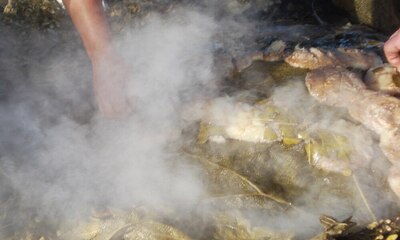
Curanto is a traditional Chilean dish originating from the Chiloé Archipelago, prepared by layering shellfish, meats like pork and chicken, potatoes, and milcao (a potato bread) in a deep pit lined with hot stones and covered with nalca leaves and earth to steam-cook everything slowly, resulting in a flavorful communal meal often enjoyed during gatherings.
Curanto is a traditional Chilean dish from Chiloé Island, cooked in a pit with hot stones.
Eat arepas in Venezuela VENEZUELA
Arepas are a staple food in Venezuela, made from precooked cornmeal dough that's shaped into thick, round patties and typically grilled, baked, or fried until golden and crispy on the outside with a soft interior. They serve as a versatile base for meals, often split open and stuffed with fillings like shredded beef, black beans, cheese, avocado, or eggs, and are commonly eaten for breakfast, lunch, or as street food throughout the country.
Popular Venezuelan arepa fillings include reina pepiada, which combines chicken, avocado, and mayonnaise in one patty.
Eat moqueca in Brazil BRAZIL
Moqueca is a traditional Brazilian stew originating from the coastal regions of Bahia and Espírito Santo, typically made with fresh fish or seafood simmered in a flavorful base of tomatoes, onions, garlic, cilantro, and either coconut milk or dendê palm oil, often served with rice and farofa for a complete meal.
Moqueca originated in Bahia state and features seafood simmered in coconut milk and dendê oil.
Eat cracked conch in the Bahamas BAHAMAS
Cracked conch stands as a signature dish in Bahamian cuisine, made from fresh conch meat that's tenderized, coated in a light batter, and fried until crispy and golden. This savory treat, often paired with lime wedges, hot sauce, and sides like plantains or salad, offers a delightful taste of the islands' seafood traditions at beachside shacks and restaurants throughout the archipelago.
Cracked conch is prepared by pounding conch meat thin, breading it, and frying until crispy.
Eat locro in Ecuador ECUADOR
Locro is a hearty traditional Ecuadorian soup originating from the Andean region, typically made with potatoes as the base, blended with cheese, milk, and sometimes corn, peanuts, or cabbage for added texture and flavor. Often garnished with avocado, fresh herbs, and aji sauce, it's a comforting staple dish enjoyed during festivals or family meals, reflecting the country's indigenous culinary heritage and agricultural abundance.
Locro de papa is a traditional Ecuadorian soup made with potatoes, cheese, milk, and often garnished with avocado slices.
Eat ackee and saltfish in Jamaica JAMAICA
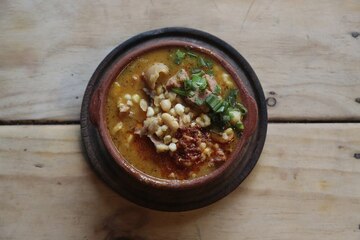
Ackee and saltfish is Jamaica's national dish, made from the creamy, yellow ackee fruit pods sautéed with salted codfish, onions, tomatoes, scotch bonnet peppers, and scallions. Typically served for breakfast with boiled green bananas, breadfruit, or dumplings, it originated from West African influences blended with local ingredients during the island's colonial era. In Jamaica, locals eat it daily at home or roadside stands, especially in Kingston markets or rural parishes.
Ackee, Jamaica's national fruit, was brought from West Africa by slave ships in the late 1700s.
Eat tamales in Guatemala GUATEMALA
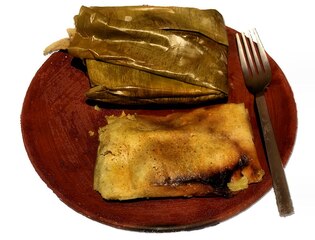
In Guatemala, tamales are a traditional dish of corn masa dough stuffed with fillings like pork, chicken, or beans, then wrapped in banana leaves and steamed. They are commonly prepared for holidays such as Christmas and Day of the Dead, with regional variations including the addition of olives, peppers, or sweet versions made with fruit. Eaten by hand, they serve as a hearty meal or snack throughout the country.
Guatemalan tamales, or "tamales guatemaltecos," are traditionally wrapped in banana leaves and steamed during Christmas season.
Eat ropa vieja in Cuba CUBA
Ropa vieja is a traditional Cuban dish of shredded flank steak slow-cooked in a tomato-based sauce with bell peppers, onions, garlic, and spices like cumin and oregano, served over rice or with plantains. Originating from Spanish influences and adapted in Cuba, it gets its name—"old clothes"—from the meat's frayed appearance, and it's commonly found in home kitchens and paladares across Havana and other regions.
"Ropa vieja" translates to "old clothes," describing the shredded beef's appearance in its tomato-based sauce.
Eat pastel de choclo in Chile CHILE
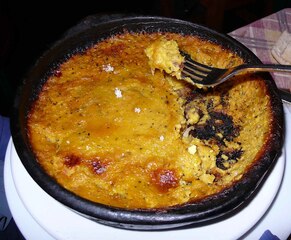
Pastel de choclo is a traditional Chilean casserole featuring a layer of ground beef, chicken, onions, raisins, olives, and hard-boiled eggs, topped with a thick mash of fresh corn kernels sweetened with sugar and baked until golden. Originating from rural Mapuche influences, it is commonly prepared in homes and served during the summer harvest season, especially around Fiestas Patrias in September, providing a hearty, savory-sweet dish reflective of Chile's agrarian heritage.
The pastel de choclo is a traditional Chilean dish dating back to the 17th century, blending indigenous corn with Spanish baking techniques.
Eat pabellón criollo in Venezuela VENEZUELA
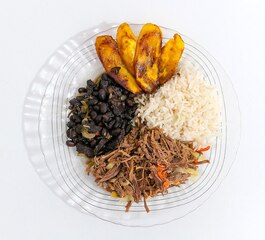
Pabellón criollo is Venezuela's national dish, consisting of shredded beef simmered in a tomato-based sauce, served alongside white rice, black beans, and thin slices of fried plantain. Originating from the country's colonial era, it reflects a blend of indigenous, African, and Spanish culinary influences and is a staple in homes and restaurants across Venezuela, often enjoyed for lunch or as a hearty everyday meal.
Pabellón criollo became Venezuela's national dish due to its simple ingredients reflecting the country's agricultural abundance.
Eat lechón in Puerto Rico PUERTO RICO

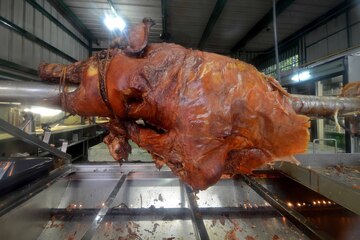
Lechón in Puerto Rico centers on roasting a whole pig, typically marinated with garlic, oregano, adobo, and sour orange, over an open wood fire or spit in places like Guavate in the mountains. This dish features crispy, crackling skin and tender, juicy meat, served with arroz con gandules, tostones, and pasteles. It's a staple at family gatherings, holidays like Christmas, and roadside lechoneras where visitors can watch the preparation and eat by the pound.
Lechón is typically a whole suckling pig marinated in adobo and slow-roasted for 8-12 hours until the skin crisps perfectly.
Eat empanadas in Argentina ARGENTINA
Empanadas are a staple in Argentine cuisine, consisting of dough pockets filled with ingredients like seasoned ground beef, chicken, ham and cheese, or vegetables, often spiced with onions, olives, and hard-boiled eggs. They are typically baked or fried until golden and crispy, and vary by region—such as the juicy, oven-baked versions from Salta or the fried ones from Tucumán. Commonly enjoyed as a quick snack, appetizer, or main dish at gatherings, they reflect the country's blend of indigenous, Spanish, and Italian influences.
Argentine empanadas often have beef fillings with olives, eggs, and spices like cumin and paprika.
Try feijoada in Brazil BRAZIL
Feijoada is a traditional Brazilian stew originating from the country's colonial era, typically made with black beans simmered with assorted pork or beef cuts like sausage, ribs, and bacon. It is often prepared in large pots for family gatherings and served with white rice, sautéed collard greens, orange slices, and farofa, a toasted cassava flour mixture. Commonly enjoyed on weekends, especially Saturdays, it reflects influences from Portuguese, African, and indigenous cuisines and is a staple in Brazilian home cooking and restaurants.
Feijoada is a traditional Brazilian stew made with black beans, pork, and sausage, often served on Saturdays.
Eat bandeja paisa in Colombia COLOMBIA
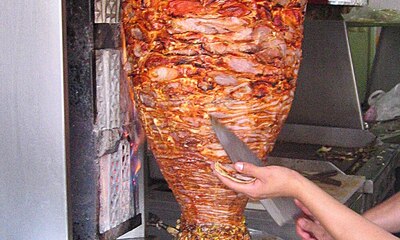
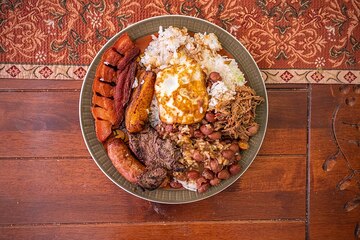
Bandeja paisa is a traditional Colombian dish originating from the Antioquia region, typically served as a large platter featuring red beans, white rice, ground beef or pork, chorizo sausage, chicharrón (fried pork belly), a fried egg, sweet plantain, avocado slices, and an arepa. It's a hearty, filling meal that reflects the country's rural culinary influences and is commonly enjoyed for lunch in Colombia.
Bandeja paisa originated in Colombia's Antioquia region and includes beans, rice, meats, and plantains as staples.
Eat tacos al pastor in Mexico MEXICO
Tacos al pastor are a popular street food in Mexico, featuring thinly sliced pork marinated in a mix of chiles, spices, and achiote, then stacked and roasted on a vertical spit similar to shawarma. The meat is shaved off, placed in corn tortillas, and topped with pineapple, chopped onion, cilantro, and lime, often accompanied by salsa for added flavor. This dish originated in central Mexico in the mid-20th century, influenced by Lebanese immigrants, and is commonly found at taquerias throughout the country.
Tacos al pastor originated from Lebanese immigrants who adapted shawarma using Mexican pork and spices.
Asia & Middle East
Eat kabsa in Saudi Arabia SAUDI ARABIA
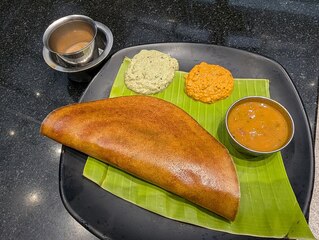
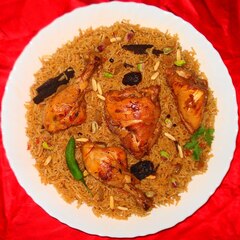
Kabsa is a traditional Saudi Arabian rice dish cooked with spiced meat such as chicken, lamb, or camel, featuring long-grain basmati rice simmered in a tomato-based broth infused with cinnamon, cardamom, cloves, and dried limes. Originating from the Arabian Peninsula, it is typically layered in a large serving tray with the rice piled over the meat and garnished with nuts, raisins, and fried onions, commonly shared during family gatherings, Ramadan iftars, and celebrations across Saudi Arabia.
Kabsa originated as a Bedouin dish, traditionally cooked over an open fire in a single pot for communal meals.
Eat masala dosa in India INDIA
Masala dosa is a South Indian dish from states like Karnataka and Tamil Nadu, consisting of a thin, crispy rice and lentil crepe folded around a spiced potato filling, typically served with coconut chutney and sambar lentil stew. Originating in the region around Udupi, it is commonly found at local eateries called dosa centers or udupi restaurants, where it is prepared fresh on hot griddles and eaten as a breakfast or snack item. Visitors can try it in cities such as Bengaluru or Chennai for an authentic experience.
Masala dosa originated in Udupi, Karnataka, where it evolved from simple rice-lentil crepes.
Eat mansaf in Jordan JORDAN
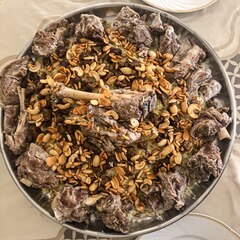
Mansaf is Jordan's national dish, consisting of tender lamb cooked in a sauce made from jameed (fermented dried yogurt), served over a bed of rice, and often topped with pine nuts or almonds. It's traditionally eaten communally using the right hand or flatbread, and is commonly prepared for special occasions, family gatherings, or to honor guests in Jordanian culture.
Mansaf is Jordan's national dish, featuring lamb cooked in fermented yogurt sauce over rice and bread.
Try sup kambing in Indonesia INDONESIA
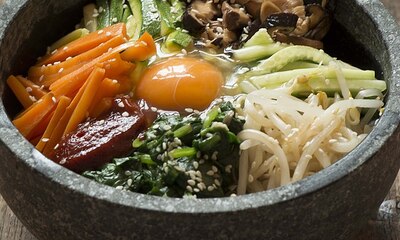
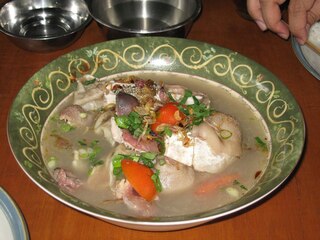
Sup kambing is a traditional Indonesian goat soup commonly found in street stalls and warungs across Java, especially in cities like Jakarta and Surabaya. It features tender goat meat simmered with a spice paste of shallots, garlic, ginger, turmeric, and galangal, plus cloves, cinnamon, and nutmeg for warmth, served hot with a clear broth, lime, sambal, and fried shallots on white rice or ketupat.
Sup kambing, a goat meat soup, originated from Indian influences brought by traders to Indonesia centuries ago.
Eat bibimbap in South Korea SOUTH KOREA

Bibimbap is a Korean rice dish topped with seasoned vegetables, beef, a fried egg, and gochujang chili paste, mixed together at the table. Originating from the Joseon Dynasty, it is commonly served in Seoul's goshiwon eateries, markets like Gwangjang, or traditional hanok restaurants, where diners customize spice levels and add-ins such as fernbrake or bean sprouts for a balanced, hearty meal reflecting seasonal ingredients.
Bibimbap originated in the Jeonju region, where it's celebrated as a UNESCO intangible cultural heritage.
Eat kibbeh in Syria SYRIA
Kibbeh holds a central place in Syrian cuisine as the national dish, typically crafted from a mixture of finely ground bulgur wheat, minced meat such as lamb or beef, onions, and a blend of spices like allspice and cinnamon. It appears in various forms, including deep-fried croquettes shaped like footballs, baked in trays layered with meat and pine nuts, or served raw as kibbeh nayyeh, often enjoyed during family gatherings and celebrations for its rich flavors and cultural significance.
Kibbeh in Syria often includes raw meat, so choose reputable spots to minimize health risks.
Eat a traditional kaiseki meal in Kyoto JAPAN
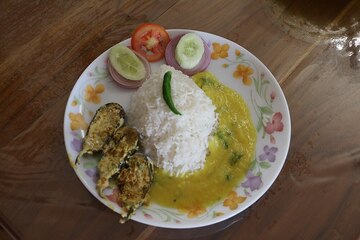
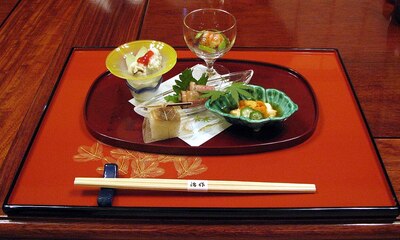
A traditional kaiseki meal in Kyoto consists of a multi-course progression of small, seasonal dishes prepared with fresh ingredients sourced locally, such as simmered vegetables, sashimi, grilled fish, rice, soup, and pickled items, served in a fixed sequence during a formal ryotei dinner or ryokan stay, emphasizing balance, presentation on elegant tableware, and harmony with the changing seasons.
Kaiseki originated as a tea ceremony accompaniment in the 16th century, evolving into a multi-course haute cuisine by the 19th century.
Eat dal bhat in Nepal NEPAL
Dal bhat is Nepal's everyday staple meal, consisting of boiled rice served with lentil curry, vegetable sabzi, and often a pickle or meat curry in non-vegetarian versions. Eaten twice daily by most Nepalis, it is typically consumed at home or in local eateries called bhojanalayas, where unlimited refills of dal and rice are common for a low price. In tourist areas, it appears on menus with variations like chicken or buffalo meat, providing a straightforward taste of local sustenance.
Dal bhat is Nepal's national dish, typically eaten twice daily by locals for sustenance.
Try durian in Malaysia MALAYSIA
Durian, Malaysia's "king of fruits," grows abundantly in states like Penang, Johor, and Pahang, with peak season from June to August. The fruit features a spiky green husk enclosing creamy yellow flesh around large seeds, delivering a potent aroma of onions, almonds, and custard that divides opinions. Eaten fresh from roadside stalls or markets, it's a staple for locals, often paired with rice or in desserts, and varieties like D24 and Musang King are prized for their rich, bittersweet flavor.
Durian is known as the "King of Fruits" in Southeast Asia for its strong aroma and creamy texture.
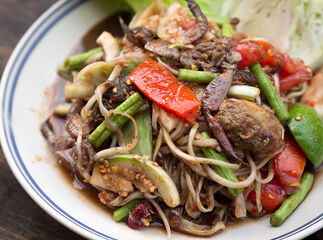
Eat som tam in Thailand THAILAND
Som tam is a spicy green papaya salad from Thailand's Isaan region, made by pounding shredded unripe papaya with lime juice, fish sauce, chilies, garlic, cherry tomatoes, and dried shrimp or peanuts in a mortar and pestle. Eaten as street food or a side dish nationwide, it delivers a balance of sour, salty, sweet, and fiery flavors, often customized for spice tolerance. Visitors can try it at markets in Bangkok or northeastern towns like Ubon Ratchathani.
The dish uses unripe papayas pounded in a mortar and pestle for its signature crunch.
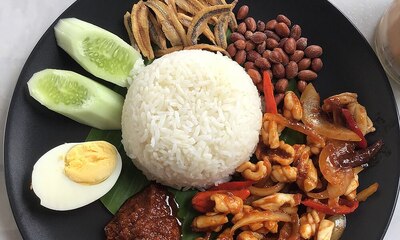
Eat nasi lemak in Malaysia MALAYSIA
Nasi lemak is a traditional Malaysian dish featuring rice cooked in coconut milk and pandan leaves for flavor, typically served with spicy sambal chili paste, fried anchovies, roasted peanuts, cucumber slices, and a boiled or fried egg. It's commonly eaten for breakfast but also as a meal throughout the day, often wrapped in banana leaves for portability, and variations may include additional proteins like chicken or rendang beef.
Nasi lemak is Malaysia's national dish, featuring rice cooked in coconut milk with sambal and various sides.
Try plov in Azerbaijan AZERBAIJAN
Plov is a traditional Azerbaijani rice dish, often prepared with long-grain rice infused with saffron for its golden color and aroma. It typically includes ingredients like lamb, chicken, or fish, along with dried fruits such as apricots, plums, and chestnuts, as well as onions and spices. Cooked in layers, the rice forms a crispy bottom layer called gazmag, and it's commonly served at family gatherings and celebrations across Azerbaijan.
Shah plov is a baked version encased in dough, popular in local restaurants.
Try kaya toast with kopi in Singapore SINGAPORE
Kaya toast with kopi is a classic Singaporean breakfast featuring thin slices of grilled bread spread with kaya—a sweet coconut jam made from coconut milk, eggs, and pandan—and topped with butter and sugar, paired with strong, sweet coffee brewed in a sock-like cloth filter. Originating from Hainanese immigrant coffee shops like Ya Kun Kaya Toast or Tong Ah Eating House, it's a quick, affordable staple enjoyed daily by locals at hawker centers or kopitiams across the city-state.
The original Ya Kun Kaya Toast outlet opened in 1923 by Loi Ah Koon in a kopitiam near Amoy Street.
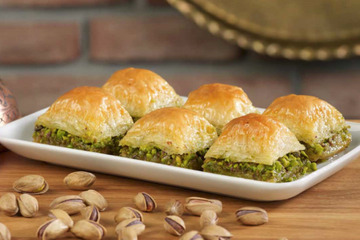
Eat Baklava in Turkey TURKEY
Baklava is a traditional Turkish dessert consisting of thin layers of filo pastry filled with chopped nuts like pistachios or walnuts, baked until crisp, and then soaked in a sweet syrup made from sugar, water, and sometimes honey or lemon. In Turkey, it's commonly enjoyed as a treat during holidays, family gatherings, or with tea, and variations can be found in bakeries across cities like Istanbul, where it's often cut into diamond shapes and served fresh.
Turkish baklava often features pistachios from Gaziantep, known for their quality and flavor in desserts.
Try fugu (pufferfish) in Japan JAPAN
Fugu, or pufferfish, is a Japanese delicacy prepared by licensed chefs who meticulously remove its lethal tetrodotoxin from organs like the liver and ovaries, allowing safe consumption of the meat in thin sashimi slices or hot pots. Served in specialized restaurants across cities like Tokyo and Shimonoseki, it offers a subtle chewy texture and faint sweetness, with preparation regulated under strict national licensing to prevent poisoning incidents.
Fugu has been a delicacy in Japan since the Edo period, with strict licensing for chefs to prepare it safely.
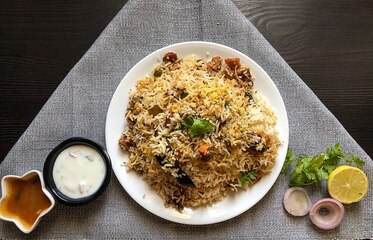
Eat biryani in Pakistan PAKISTAN
Biryani is a staple rice dish in Pakistani cuisine, typically made by layering spiced basmati rice with marinated meat such as chicken, beef, or mutton, along with ingredients like yogurt, onions, tomatoes, and a blend of spices including cumin, cardamom, and cloves. It's often cooked in a sealed pot to infuse flavors and is commonly served at family gatherings, weddings, and restaurants across the country, with regional variations like Sindhi biryani featuring potatoes or the spicier Karachi style.
In Pakistan, biryani is typically made with basmati rice layered with marinated meat and aromatic spices.
Try balut in the Philippines PHILIPPINES
Balut is a fertilized duck egg boiled and eaten in the Philippines, typically after 17-21 days of incubation when the embryo is partially formed. Vendors sell it warm from street carts, often with salt or vinegar; you peel the shell to consume the broth, yolk, and developing chick straight from the shell. It's a common late-night snack in Manila and other cities, valued for its protein and affordability.
The fertilized duck egg is boiled for about 20 minutes before eating.
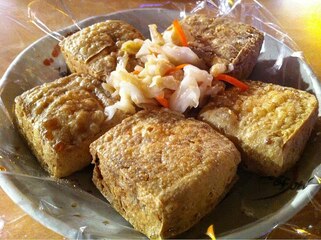
Try stinky tofu in Taiwan TAIWAN
Stinky tofu is a popular street food in Taiwan, made by fermenting tofu in a brine of vegetables, herbs, and sometimes meat or shrimp, resulting in a pungent odor reminiscent of sewage or rotting garbage. It's typically deep-fried, steamed, or grilled and served with pickled cabbage, chili sauce, or soy sauce, offering a crispy exterior and soft, flavorful interior that contrasts sharply with its smell, making it a divisive yet iconic snack found at night markets across the island.
Stinky tofu is fermented bean curd popular in Taiwan's night markets, known for its strong fermented smell.
Eat massaman curry in Thailand THAILAND
Massaman curry, a Thai dish with Muslim influences from southern Thailand, features a mild, nutty coconut-based sauce simmered with tender beef or chicken, potatoes, peanuts, onions, and warming spices like cinnamon, cardamom, tamarind, and curry paste. Often ranked among the world's best curries, it originated in the 17th century from Persian and Indian traders, blending savory depth with subtle sweetness. In Thailand, try it at street stalls or markets like Bangkok's Chatuchak for an authentic plate served with rice.
Massaman curry originated in 17th-century Thailand, blending Muslim and Thai flavors from trade routes.
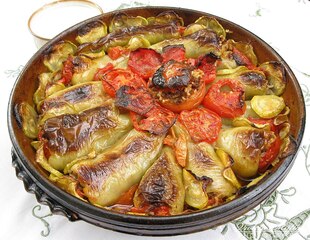
Eat dolma in Armenia ARMENIA
Dolma, known locally as tolma in Armenia, is a traditional dish consisting of grape leaves, cabbage, or vegetables like peppers and eggplants stuffed with a mixture of ground meat (usually beef or lamb), rice, onions, herbs such as dill and mint, and spices. It's commonly prepared by simmering the stuffed items in a tomato-based broth and served with yogurt or matzoon, often as part of family meals or festive occasions.
Dolma in Armenia is usually stuffed grape leaves with ground meat, rice, and herbs.
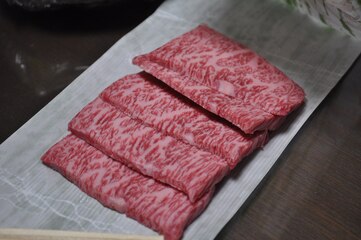
Try real Kobe or Wagyu beef in Japan JAPAN

Kobe beef comes from Tajima-strain Wagyu cattle raised in Hyogo Prefecture, Japan, where strict regulations limit feed to rice straw, local grains, and beer to promote marbling; authentic versions are graded A4 or A5 at certified restaurants or markets in Kobe, featuring intense umami from high intramuscular fat that melts at low temperatures during cooking. Wagyu beef, a broader category including breeds like Matsusaka and Omi, originates from regions such as Mie and Shiga prefectures, with top-grade cuts available at specialized butchers or ryotei in Tokyo's Tsukiji or Osaka's Kuromon markets, distinguished by its buttery texture and subtle sweetness when prepared as yakiniku or shabu-shabu.
Kobe beef must come from certified Tajima-strain cattle raised in Hyogo Prefecture according to strict standards.
Try century egg in China CHINA
Century eggs, known as pidan in Chinese, are a traditional delicacy in China made by preserving duck, chicken, or quail eggs in a mixture of clay, ash, salt, quicklime, and rice hulls for several weeks to months. This process transforms the egg white into a dark, translucent jelly and the yolk into a creamy, greenish-gray center with a pungent, ammonia-like aroma and rich, savory flavor, often enjoyed as a snack, in congee, or as an appetizer paired with pickled ginger.
Century eggs are preserved duck eggs coated in clay, ash, salt, quicklime, and rice hulls for weeks.
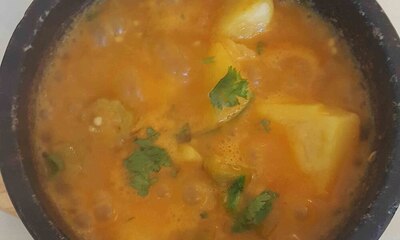
Try saltah in Yemen YEMEN
Saltah is a traditional Yemeni stew, often regarded as the national dish, typically prepared with lamb or beef, potatoes, tomatoes, and other vegetables simmered in a spicy broth. It's commonly topped with hulba, a frothy fenugreek paste, and sometimes eggs or cheese, then served hot with flatbread for scooping. This hearty meal is a staple in Yemeni households and eateries, reflecting local culinary practices in regions like Sana'a.
Saltah is Yemen's national dish, featuring stewed meat, vegetables, and a frothy fenugreek topping served hot.
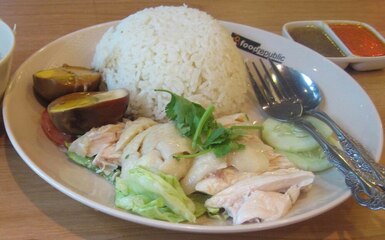
Eat hainanese chicken rice in Singapore SINGAPORE
Hainanese chicken rice is a staple dish in Singapore, featuring tender poached chicken served with rice cooked in chicken broth, garlic, and ginger for added flavor. Accompanied by chili sauce, ginger paste, and often cucumber slices, it's commonly enjoyed at hawker centers and eateries across the city-state, reflecting a blend of Chinese immigrant influences adapted to local tastes.
It originated from Hainan immigrants and evolved into a Singapore national dish over decades.
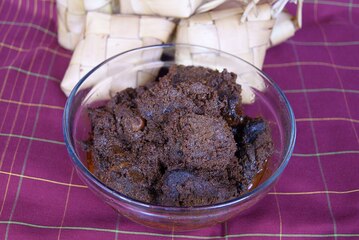
Eat rendang in Indonesia INDONESIA
Rendang is a slow-cooked beef dish from the Minangkabau region of West Sumatra, Indonesia, where tough cuts of meat are simmered for hours in a rich paste of coconut milk, lemongrass, galangal, turmeric, ginger, garlic, shallots, chilies, and spices like cinnamon and cloves until the liquid reduces and the flavors caramelize into a dark, tender coating. Prepared traditionally for special occasions, it is a staple at Padang restaurants across Indonesia and known for its savory depth and durability as a preserved dish.
It requires slow-cooking beef in coconut milk and spices for hours.
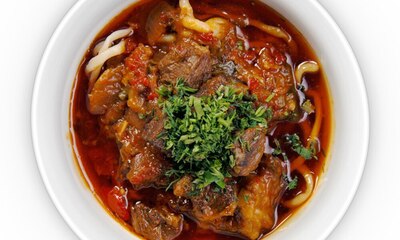
Eat laghman in Kyrgyzstan KYRGYZSTAN
Laghman is a popular noodle dish in Kyrgyzstan, featuring hand-pulled wheat noodles served in a broth with pieces of meat like beef or lamb, along with vegetables such as bell peppers, carrots, and onions. It's typically seasoned with garlic, cumin, and chili, reflecting influences from Uyghur and Dungan cuisines, and often enjoyed as a hearty meal in local eateries or homes.
Laghman in Kyrgyzstan features hand-pulled noodles mixed with lamb, vegetables, and spices for a hearty meal.
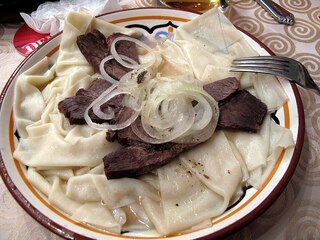
Try beshbarmak in Kazakhstan KAZAKHSTAN
Beshbarmak is the national dish of Kazakhstan, made from boiled meat like horse, beef, or lamb, cut into pieces and served over wide, flat noodles or pasta sheets. It often includes onions cooked in the meat broth and is eaten by hand, reflecting traditional Kazakh customs of communal dining and hospitality.
Beshbarmak is Kazakhstan's national dish, made from boiled meat like horse or lamb with flat noodles and onions.
Eat shawarma in Lebanon LEBANON
Shawarma in Lebanon is a common street food made from thinly sliced marinated meat, such as chicken, beef, or lamb, roasted on a vertical spit and wrapped in flatbread with additions like tahini sauce, garlic paste, pickles, tomatoes, and onions. It's widely available from vendors in cities like Beirut, often served as a quick meal with variations based on regional preferences.
Lebanese shawarma features marinated chicken or beef roasted on a vertical spit with garlic sauce and pickles.
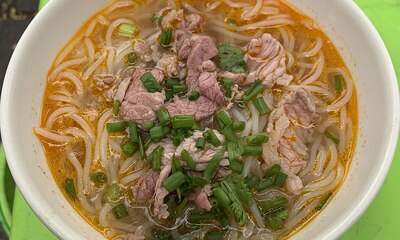
Eat bún bò huế in Vietnam VIETNAM
Bún bò Huế is a spicy beef noodle soup from the central Vietnamese city of Huế, featuring thin rice vermicelli in a rich, lemongrass-infused broth made with beef bones, shrimp paste, and chili oil for heat. Key ingredients include sliced beef shank, pork knuckle, Vietnamese ham, and blood cubes, served with fresh herbs, lime, and vegetables like banana blossom on the side. Originating as a royal court dish, it reflects Huế's bold flavors and is widely available at street stalls and eateries across Vietnam.
Bún bò Huế originated in the imperial city of Huế, known for its bold, spicy flavors reflecting royal cuisine traditions.
Eat Peking duck in Beijing CHINA
Peking duck, a Beijing specialty roasted whole in a traditional oven until the skin crisps to a reddish-gold hue, is served at historic spots like Quanjude or Da Dong with thin pancakes, hoisin sauce, cucumber, and scallions for wrapping. Originating in the imperial kitchens of the Yuan Dynasty, it features fatty yet tender meat sliced tableside by skilled chefs, paired simply with a light wheat pancake and minimal condiments. Visit during evenings when restaurants fill with locals dissecting the bird's crispy skin first, a ritual unchanged for centuries.
Peking duck originated during the Yuan Dynasty and was perfected in imperial kitchens for Ming emperors.
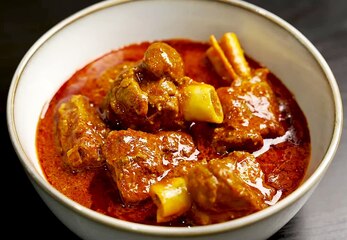
Try rogan josh in India INDIA
Rogan Josh is a classic Kashmiri curry from northern India, featuring tender lamb pieces simmered in a rich sauce of yogurt, garlic, ginger, and spices like fennel, cardamom, and vibrant red chilies, resulting in a flavorful, mildly spicy dish often enjoyed with rice or naan.
Rogan Josh is a Kashmiri lamb curry best tried in Srinagar for its authentic spice blend.
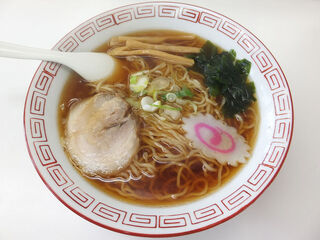
Eat ramen in Japan JAPAN
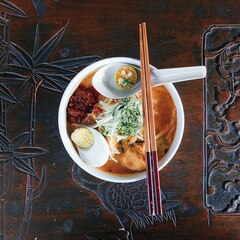
Eating ramen in Japan involves visiting local ramen shops, or ramenya, where you slurp bowls of noodle soup made with variations like tonkotsu pork broth from Fukuoka, shoyu soy-based from Tokyo, or miso from Sapporo, each served with toppings such as chashu pork, green onions, and a soft-boiled egg. These spots range from standing counters in train stations to specialized chains, offering a direct taste of regional flavors and the everyday ritual of finishing a steaming bowl amid the sounds of diners.
The word "ramen" originally meant pulled Chinese noodles but evolved into Japan's iconic dish.
Eat laksa in Singapore SINGAPORE
Laksa is a staple noodle soup in Singapore, rooted in Peranakan cuisine, featuring rice noodles in a spicy, coconut milk-based broth flavored with lemongrass, galangal, turmeric, and shrimp paste. It's commonly topped with prawns, fish cake, bean sprouts, and sometimes cockles or tofu puffs, with regional variations like the thicker Katong style served in hawker centers or eateries across the city.
The Katong area offers some of the most authentic laksa stalls with traditional recipes.
Try pad thai in Thailand THAILAND
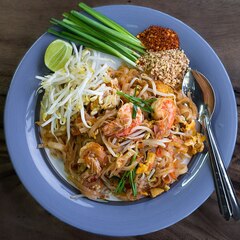
Pad Thai is a common street food dish in Thailand, made with stir-fried rice noodles mixed with ingredients like shrimp, tofu, eggs, bean sprouts, and crushed peanuts, seasoned with tamarind paste, fish sauce, sugar, and chili for a balance of sweet, sour, salty, and spicy flavors. It's often prepared fresh at markets or roadside stalls and served with lime wedges for added tang.
Pad thai originated in Thailand during World War II to promote rice noodle consumption amid shortages.
Try tom yum goong in Thailand THAILAND
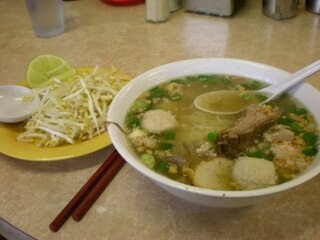
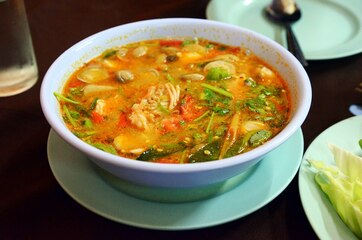
Tom yum goong is a spicy-sour Thai soup made with shrimp, lemongrass, kaffir lime leaves, galangal, chili, and mushrooms, simmered in a broth flavored with fish sauce and lime juice. Originating from central Thailand, it is a staple dish commonly served with rice in homes and street stalls across the country, offering a balanced mix of heat, tanginess, and seafood freshness typical of everyday Thai cuisine.
Tom yum goong originated in Thailand as a spicy-sour soup using local river prawns and lemongrass.
Eat kuy teav in Cambodia CAMBODIA
Kuy teav is a popular Cambodian noodle soup made with thin rice noodles in a clear pork or beef broth, typically garnished with fresh herbs, bean sprouts, lime, and chili. It often includes slices of meat, meatballs, or offal, and is commonly eaten for breakfast or as a quick meal from street vendors in cities like Phnom Penh. Variations may feature seafood or different toppings, reflecting local tastes and ingredients.
Kuy teav is a Cambodian noodle soup made with rice noodles in pork or beef broth for breakfast.
Eat katsu sando in Japan JAPAN
Katsu sando is a beloved Japanese sandwich featuring a crispy, breaded and deep-fried pork cutlet (tonkatsu) nestled between slices of soft, crustless white bread, often layered with shredded cabbage and a tangy tonkatsu sauce for added crunch and flavor. Originating as a convenient street food or bento box staple, it's a staple in convenience stores, cafes, and high-end eateries across Japan, celebrated for its satisfying blend of textures and savory taste.
You can find affordable katsu sando at convenience stores like 7-Eleven or FamilyMart in Japan.
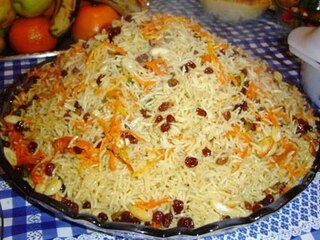
Eat kabuli palaw in Afghanistan AFGHANISTAN
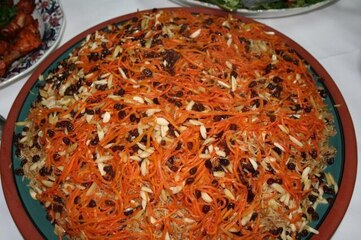
Kabuli palaw is Afghanistan's national dish, featuring long-grain rice steamed with chunks of lamb or beef, carrots, raisins, and slivered almonds, often flavored with cardamom, cumin, and saffron. Typically prepared for celebrations and family gatherings, it layers browned onions and meat at the bottom of a large pot, with rice piled on top and slow-cooked to absorb the juices, resulting in a mildly sweet-savory profile served communally.
Kabuli palaw is Afghanistan's national dish, often served at weddings and celebrations.
Eat shashlik in Uzbekistan UZBEKISTAN
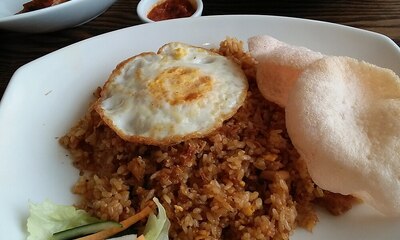
Shashlik in Uzbekistan consists of skewered chunks of marinated meat, typically lamb or beef, grilled over open coals to produce a smoky flavor. Street vendors and restaurants throughout cities like Tashkent and Samarkand serve it on long metal skewers with accompaniments such as onions, flatbread, and fresh herbs, making it a staple for everyday meals and gatherings.
Uzbek shashlik is typically made from lamb or beef, marinated in onion, vinegar, and spices for tenderness.
Eat nasi goreng in Indonesia INDONESIA
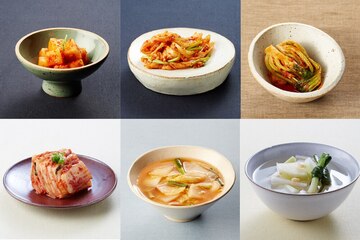
Nasi goreng is a staple Indonesian fried rice dish typically made by stir-frying cooked rice with ingredients like shrimp paste, garlic, shallots, chili, soy sauce, and toppings such as egg, chicken, prawns, or vegetables. Originating from street food vendors and home kitchens across Indonesia, it varies regionally—Javanese versions often include sweet kecap manis, while Balinese adds pork or satay skewers. Eaten at any time of day, especially as a late-night snack from warungs in cities like Jakarta or Yogyakarta, it's a quick, flavorful meal reflecting everyday Indonesian cuisine.
Nasi goreng originated as a way for Indonesians to use leftover rice, turning it into a flavorful fried dish.
Try kimchi in South Korea SOUTH KOREA
Kimchi is a quintessential fermented dish in South Korea, deeply embedded in the nation's culinary heritage and daily life. Typically made from napa cabbage or radishes seasoned with chili pepper, garlic, ginger, and fish sauce, it undergoes lactic acid fermentation to develop its signature tangy, spicy flavor. Recognized by UNESCO as an Intangible Cultural Heritage, kimchi is not just a staple side dish (banchan) at every meal but also a symbol of Korean identity, with families often preparing large batches during the annual kimjang tradition to last through winter.
Kimchi comes in over 200 varieties, including spicy cabbage and milder radish options in South Korea.
Eat authentic pho in Hanoi VIETNAM
Authentic pho in Hanoi features clear, aromatic beef or chicken broth simmered for hours with spices like star anise, cinnamon, and ginger, served over rice noodles with thin slices of raw beef or chicken, fresh herbs such as Thai basil and cilantro, bean sprouts, lime wedges, and chili slices. Street vendors and local eateries like those around Hoan Kiem Lake offer it piping hot in basic bowls for breakfast, eaten with chopsticks for noodles and a spoon for broth, reflecting everyday Vietnamese dining without tourist frills.
Locals eat pho for breakfast, considering it the ultimate comfort food to start the day.
Eat shakshuka in Israel ISRAEL
Shakshuka stands as a quintessential Israeli breakfast dish, with eggs poached in a rich, spicy tomato sauce infused with onions, bell peppers, garlic, cumin, and paprika. Brought to Israel by North African immigrants, it has become a national favorite, often enjoyed communally from a shared skillet and paired with fresh bread for dipping into the savory, aromatic mixture.
Shakshuka is a common breakfast dish in Israel, often served with eggs poached in spicy tomato sauce.
Eat adobo in the Philippines PHILIPPINES
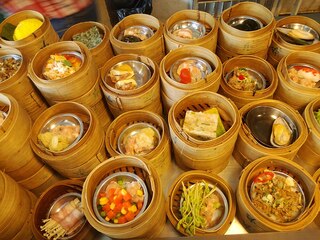
Adobo is a staple Filipino dish of meat—typically chicken, pork, or both—slow-cooked in a tangy marinade of vinegar, soy sauce, garlic, bay leaves, and black peppercorns until tender and flavorful. Originating in the Philippines during the Spanish colonial era as a preservation method, it varies by region with additions like coconut milk in the Visayas or annatto for color in Luzon. Eaten daily in homes and sold at street stalls, it pairs simply with rice.
Adobo varies by region; Luzon uses soy sauce, Visayas favors coconut milk.
Try dim sum in China CHINA
Dim sum is a traditional Cantonese meal in China, typically enjoyed during brunch or lunch, featuring a variety of small steamed or fried dishes like dumplings, buns, and rolls served from carts in bustling teahouses. Originating in Guangdong province, it pairs with tea and encourages sharing among groups, reflecting social dining customs in Chinese culture.
Dim sum originated in Guangdong province and is best enjoyed fresh in local Cantonese restaurants.
Europe
Eat carbonnade flamande in Belgium BELGIUM
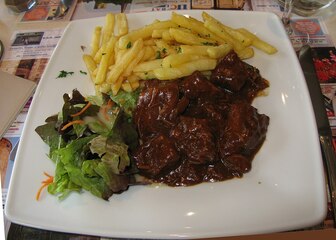
Carbonnade flamande is a traditional Belgian beef stew slow-cooked in beer with onions, thyme, bay leaves, and mustard, resulting in tender meat and a rich, malty gravy often served with fries or bread. Originating from Flanders, it appears on menus across Belgium, especially in brasserie-style eateries and home kitchens, where regional beers like those from Chimay or Westmalle define its flavor profile.
Carbonnade flamande, a beef stew slow-cooked in beer, originated in Flanders during medieval times as a hearty dish for cold weather.
Eat zagorski štrukli in Croatia CROATIA
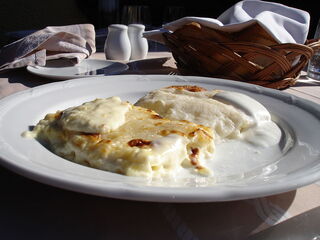
Zagorski štrukli is a traditional Croatian dish from the Hrvatsko Zagorje region, consisting of dough filled with cottage cheese or cream cheese, then either baked for a crisp exterior or boiled for a softer texture. Originating in the area around Zagreb, it is commonly served plain, topped with sour cream, or with a light glaze, and represents a staple of local home cooking and rural cuisine. Visitors can try it at family-run spots or markets in towns like Trsat or Varaždin.
The name "štrukli" comes from the rolled dough resembling a strudel.
Eat pizza Napoletana in Naples ITALY
Pizza Napoletana, originating in Naples, Italy, features a thin, soft-edged dough made from tipo 00 flour, yeast, water, and salt, baked for 60-90 seconds at over 900°F in a wood-fired oven. Topped simply with San Marzano tomatoes, fresh mozzarella, basil, and olive oil, it holds Protected Designation of Origin status, requiring production within the Naples region using traditional methods. Eating it involves folding the floppy slice and consuming it on the go from historic pizzerie like Da Michele or Sorbillo.
Neapolitan pizza is protected by EU law, requiring specific ingredients like San Marzano tomatoes and buffalo mozzarella.
Try a classic French onion soup in Paris FRANCE

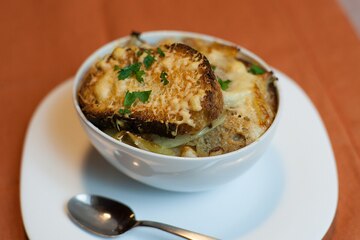
Eat a classic French onion soup at a traditional bistro in Paris, where caramelized onions simmered in rich beef broth are topped with crusty baguette slices and melted Gruyère cheese, served steaming hot in a simple earthenware crock. This straightforward dish, a staple of Parisian brasserie menus since the 19th century, offers a savory taste of everyday French comfort food amid the city's bustling streets.
The classic French onion soup, or "soupe à l'oignon gratinée," dates back to the 18th century when it was a staple for Parisian market workers.
Try surströmming in Sweden SWEDEN
Surströmming is a traditional Swedish delicacy consisting of fermented Baltic Sea herring, preserved through a process of salting and anaerobic fermentation that dates back centuries. Known for its notoriously pungent odor—often described as one of the world's smelliest foods—it's typically enjoyed in late summer during "surströmmingspremiär," where the cans are opened underwater to contain the smell, and the fish is served with boiled potatoes, raw onions, sour cream, and crisp flatbread, paired with snaps or beer for a unique cultural experience.
Traditionally, surströmming is served with boiled potatoes, onions, sour cream, and flatbread.
Eat fresh pasta bolognese in Bologna ITALY

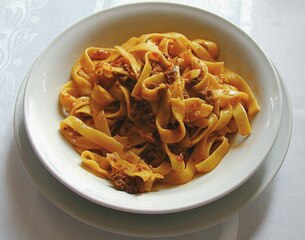
In Bologna, Italy, prepare and eat fresh pasta bolognese—tagliatelle al ragù—using handmade egg pasta from a local pastaio and a slow-cooked ragù of ground beef, pork, soffritto, tomato, and wine simmered for hours, served in a traditional trattoria near the university district.
Bolognese sauce, or ragù alla bolognese, originated in Bologna in the late 19th century as a meaty Sunday sauce.
Try real Spanish jamón ibérico SPAIN
Spanish jamón ibérico is a premium cured ham produced from Iberian pigs raised in Spain's dehesa woodlands, where they forage on acorns during the montanera season, resulting in meat with high levels of oleic acid and intramuscular fat. The ham undergoes a lengthy curing process—up to 48 months—in controlled mountain cellars, developing a deep red color, glossy fat cap, and complex nutty-savory flavor with subtle sweetness. Protected by Denomination of Origin labels like Jabugo or Guijuelo, the finest bellota grade comes exclusively from 100% Iberian pigs fattened solely on acorns, distinguishing it from standard serrano hams.
Ibérico pigs roam freely in Spain's dehesa woodlands, foraging on acorns for their unique flavor.
Eat stroopwafels in the Netherlands NETHERLANDS
Stroopwafels are a traditional Dutch cookie originating from Gouda in the Netherlands, consisting of two thin, crisp waffle layers filled with a sticky caramel syrup made from butter, brown sugar, and cinnamon. They are commonly sold at markets, bakeries, and street vendors across the country, often enjoyed warm by placing them over a hot cup of coffee or tea to soften the filling, and are a staple snack in Dutch cuisine.
Stroopwafels originated in Gouda, Netherlands, where local markets sell authentic versions made fresh daily.
Eat käsespätzle in Germany GERMANY
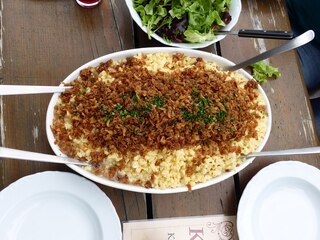
Käsespätzle is a Swabian dish of handmade egg noodles (Spätzle) boiled and layered with melted mountain cheese, then baked until the top crisps, often finished with caramelized onions. Found in Bavarian and Swabian regions of Germany, especially at mountain huts in the Alps or cozy Gasthäuser, it serves as a hearty vegetarian staple similar to macaroni and cheese but with a chewier texture and regional Emmentaler or Allgäuer cheese.
Käsespätzle originated in the Allgäu region of Swabia, blending traditional Spätzle noodles with melted cheese.
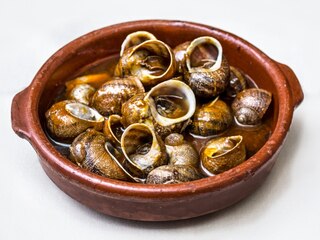
Try escargot in France FRANCE
Escargot in Paris involves eating garlic-butter snails at classic bistros like L'Escargot Montorgueil or Au Escargot, where the dish originated in the 19th century as a simple preparation of Burgundy helix snails baked in shells with parsley, shallots, and white wine. Served hot as an appetizer, it pairs with dry white wines like Chablis and reflects straightforward French bistro fare amid the city's central arrondissements.
Escargot, or Helix pomatia snails, have been a French delicacy since Roman times.
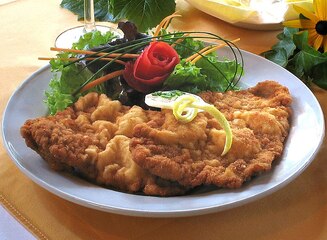
Eat schnitzel in Austria AUSTRIA
Schnitzel in Austria features thin veal cutlets pounded flat, breaded with flour, egg, and breadcrumbs, then fried until golden and served with sides like potato salad or lingonberry jam. Originating as Wiener Schnitzel from Vienna in the 19th century, it remains a staple in Gasthäuser and heurigers across the country, often paired with a cold beer for a straightforward, hearty meal.
The Wiener Schnitzel originated in Vienna, traditionally made from veal thinly pounded and fried until golden.
Try Haggis in Scotland SCOTLAND
Haggis is Scotland's iconic national dish, a savory pudding traditionally made from sheep's offal (heart, liver, and lungs) minced with onions, oatmeal, suet, spices, and stock, then simmered in a sheep's stomach casing. Often served with neeps (turnips) and tatties (potatoes), it's celebrated during Burns Night suppers and symbolizes Scottish culinary heritage, blending hearty flavors with cultural pride despite its humble, rustic origins.
Burns Night on January 25 celebrates poet Robert Burns with haggis as the centerpiece dish.
Eat khinkali in Georgia GEORGIA
Khinkali are a traditional Georgian dumpling, typically filled with a mixture of ground meat, onions, herbs, and spices, then twisted at the top to form a knob. Originating from the mountainous regions of Georgia, they are commonly boiled and served hot, with the juicy broth inside released upon the first bite. Locals often eat them by hand, discarding the doughy top, and they pair well with black pepper or a simple sauce.
Khinkali are Georgian dumplings filled with meat and broth, best eaten by holding the top knob.
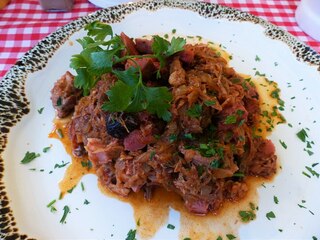
Eat bigos in Poland POLAND
Bigos, known as Poland's national hunter's stew, consists of sauerkraut and fresh cabbage slow-cooked with various meats like pork, beef, sausage, and game, plus mushrooms, prunes, and spices such as juniper berries and black pepper. Originating from Polish forests and nobility kitchens, it ferments for deeper flavor over days and pairs with rye bread or vodka, commonly eaten in homes, taverns, or during holidays like Christmas in cities from Warsaw to Kraków.
Bigos, known as Poland's national dish, dates back to the 14th century and was a staple for hunters in the forests.
Try kokorec in Turkey TURKEY
Kokoreç is a common street food in Turkey, made from lamb intestines wrapped around sweetbreads and other offal, then grilled on a spit over charcoal. It's usually chopped finely, seasoned with spices like cumin, oregano, and chili flakes, and served inside bread or a roll, often with additions like tomatoes and onions for a savory, hearty bite popular in cities like Istanbul.
Kokorec is a Turkish street food made from grilled lamb intestines, often served in bread with spices.
Try real Belgian waffles in Brussels BELGIUM
In Brussels, real Belgian waffles are rectangular Brussels-style gaufres made from a light yeast batter with pearl sugar that caramelizes during cooking, sold by street vendors and small shops near Grand Place and the Manneken Pis. Topped simply with strawberries, whipped cream, or chocolate, they offer a crisp exterior and soft interior, distinct from softer American versions. Eat them fresh from spots like Maison Dandoy or Le Cirio for the authentic taste.
The Belgian waffle, or "gaufre de Bruxelles," originated in Brussels in the 19th century using a yeast-based batter for its light texture.
Eat fresh oysters on the half shell in Brittany FRANCE
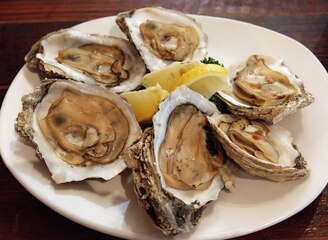
In the coastal towns of Brittany, fresh oysters on the half shell arrive brimming with the essence of the Atlantic, their plump, briny flesh nestled in pearlescent shells, kissed by sea spray and often savored with a squeeze of lemon or a dash of mignonette, evoking the region's rugged maritime heritage.
Brittany produces some of the world's finest oysters, especially from Cancale, known as the oyster capital.
Eat rakfisk in Norway NORWAY
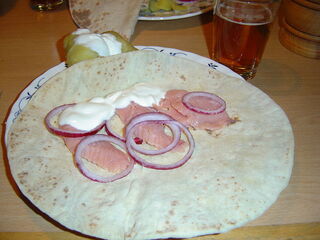
Rakfisk is a traditional Norwegian fermented fish dish, typically made from trout that is salted and left to ferment for several months in barrels, resulting in a pungent flavor and soft texture. It originates from the inland regions of Norway, particularly around the Valdres area, and is commonly enjoyed during the winter holidays, often served with flatbread, potatoes, and sour cream as part of festive meals.
Rakfisk is a Norwegian fermented trout dish typically eaten during winter months with flatbread and potatoes.
Eat fresh pasta carbonara in Rome ITALY
Make fresh pasta carbonara in Rome by learning the classic Roman recipe from a local chef, using guanciale, pecorino Romano, eggs, and black pepper for the creamy sauce—no cream allowed. Roll up your sleeves in a hands-on cooking class in the Eternal City, then enjoy your handmade spaghetti alla carbonara paired with a glass of Frascati wine.
Carbonara originated in Rome post-WWII, using eggs, pecorino, guanciale, and black pepper only.
Try smalahove in Norway NORWAY
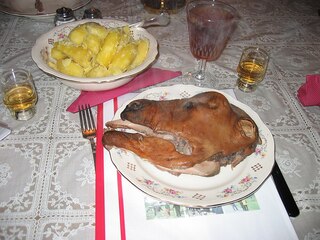
Smalahove is a traditional Norwegian dish from western regions, consisting of a sheep's head that is salted, sometimes smoked, and then boiled or steamed until tender. The meat, including the cheeks, tongue, and eyes, is eaten directly from the head, often accompanied by potatoes and rutabaga mash. It originated as a way to use all parts of the animal and is typically served during winter holidays or special occasions.
Smalahove is a traditional Norwegian dish from Voss, made by salting, smoking, and boiling a sheep's head.
Eat tapas in Spain SPAIN
Tapas in Spain involve small, shareable plates of food like patatas bravas, jamón ibérico, croquetas, and grilled prawns, typically served in bars across cities such as Madrid, Barcelona, and Seville. Eaten during social gatherings or bar-hopping sessions known as tapas crawls, they pair with drinks like sherry, vermouth, or beer, originating from Andalusia in the 19th century as a practical way to cover glasses with snacks.
Tapas originated in Andalusia as small portions to cover drinks, preventing flies from entering glasses.
Eat fish & chips in England ENGLAND
Fish and chips is a staple takeaway meal in England, featuring battered, deep-fried cod or haddock served with thick-cut fries, mushy peas, tartar sauce, and malt vinegar. Originating in the 19th century among working-class communities in coastal towns like London and Yorkshire, it remains widely available from seaside chip shops and pubs, often eaten wrapped in paper on the go or at home.
Authentic portions come wrapped in newspaper, though hygiene laws now use plain paper.
Eat pierogi in Poland POLAND
Pierogi are a beloved staple of Polish cuisine, consisting of unleavened dough pockets filled with savory or sweet ingredients like potatoes and cheese (ruskie), meat, cabbage, mushrooms, or fruits such as blueberries. These versatile dumplings are typically boiled, then often pan-fried for a crispy texture, and served with toppings like sour cream, fried onions, or bacon bits. Rooted in Polish tradition, pierogi are a symbol of comfort food, commonly enjoyed during holidays like Christmas Eve or family gatherings, reflecting the country's rich culinary heritage and regional variations.
In Poland, affordable milk bars called bar mleczny serve authentic homemade pierogi at low prices.
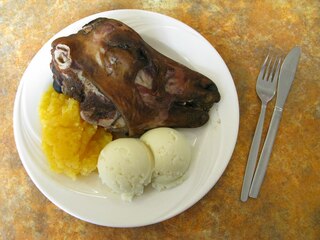
Try sheep’s head (svið) in Iceland ICELAND

Svið is a traditional Icelandic dish consisting of a boiled sheep's head, typically singed to remove the wool and then split in half before cooking. It is served whole or in portions, with the meat, eyes, tongue, and other parts eaten alongside mashed potatoes or turnips, reflecting a historical practice of using all available resources in the country's harsh climate.
Svið is a boiled sheep's head dish traditionally served halved with potatoes and turnips in Iceland.
Eat fresh cannoli in Sicily ITALY
Eat fresh cannoli in Sicily, Italy, where these crisp pastry shells filled with creamy ricotta, often studded with chocolate chips or candied fruit, are made daily by local pasticcerie in cities like Palermo and Catania. Sample them straight from the source at historic spots such as Pasticceria Cappello or street vendors, pairing the sweet, crunchy bite with a shot of espresso for an authentic taste of Sicilian tradition.
Cannoli originated in Sicily during the Arab rule in the 9th century, using ricotta from local sheep.
Eat moules-frites in Belgium BELGIUM
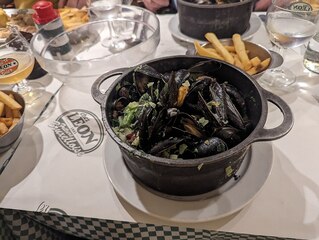
Moules-frites, a staple Belgian dish of steamed mussels served with thick-cut fries, is widely available at coastal spots like Ostend or Knokke-Heist and inland eateries in Brussels and Antwerp. The mussels, typically cooked in white wine, garlic, celery, and onions, come in variations such as marinière or Provençale with tomatoes and herbs; pair with a Belgian beer like Stella Artois or a crisp white wine. It's a straightforward, filling meal best enjoyed at casual brasseries during summer mussel season from July to February.
Moules-frites became Belgium's national dish after World War I when soldiers craved the hearty combo.
Eat burek in North Macedonia NORTH MACEDONIA
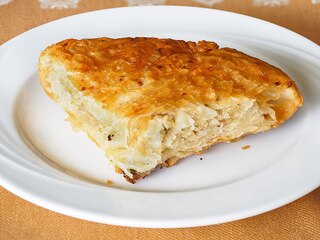
Burek in North Macedonia is a flaky, spiral-shaped pastry filled with ground meat, cheese, or spinach, baked fresh in wood-fired ovens at local bakeries called pekari. Eaten daily for breakfast or as a snack, it comes in large sheets sliced to order and pairs with yogurt or ajvar, reflecting Ottoman culinary influence adapted to Balkan tastes. In cities like Skopje and Bitola, vendors serve it hot from early morning, making it a staple of everyday street food culture.
Burek in North Macedonia features flaky phyllo pastry filled with spiced meat, cheese, or spinach.
Eat raclette in Switzerland SWITZERLAND
Raclette originated in the Swiss Alps, where it involves melting cheese over a fire or raclette grill and scraping it onto boiled potatoes, pickled onions, and cornichons. This communal dish is typically enjoyed in mountain huts or during winter gatherings in regions like Valais and Gruyère, paired with local white wines such as Fendant. Visitors can prepare it at home with a raclette set or join group sessions at alpine restaurants.
Raclette originated in the Swiss Alps, where cheese-makers melted wheels over open fires for herders.
Try lutefisk in Norway NORWAY
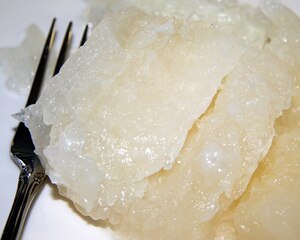
Lutefisk is a traditional Norwegian dish made from dried cod or similar whitefish that is rehydrated using lye, resulting in a gelatinous texture. It is commonly eaten during the winter holidays, especially around Christmas, and is typically served with boiled potatoes, bacon, peas, and mustard sauce in various regions of Norway.
Lutefisk is a Norwegian dish made from dried cod soaked in lye and then rinsed.
Try andouillette in France FRANCE
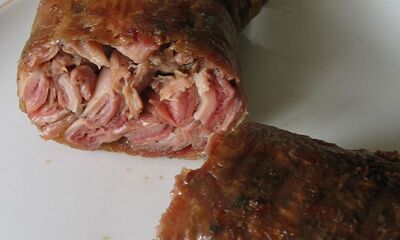
Andouillette is a traditional French sausage made from pork intestines, tripe, and seasonings, originating in regions like Lyon and Normandy. Grilled or pan-fried, it features a coarse texture and pungent aroma from fermented pork offal, typically served with mustard, fries, or in a white wine sauce at regional brasseries. In France, it's a staple of bouchon eateries and charcuterie culture, best sampled in Lyon during bouchon crawls or at markets in Normandy.
Andouillette is a traditional French sausage made from pork intestines, tripe, and stomach, originating from regions like Lyon and Troyes.
Eat ćevapi in Bosnia and Herzegovina BOSNIA AND HERZEGOVINA
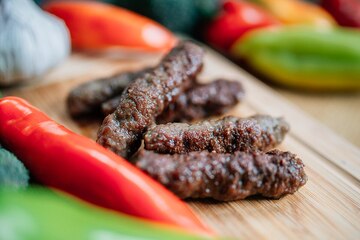
Ćevapi are small, spiced rolls of ground beef and lamb, grilled and served in Bosnia and Herzegovina with flatbread, chopped onions, and ajvar or kajmak. Originating from Ottoman influences, this street food staple is widely available in Sarajevo's baščaršijas and other cities, often eaten as a quick meal from vendors or restaurants.
Ćevapi originated in the Ottoman Empire and became a staple in Balkan cuisine, especially in Bosnia.
Eat paella in Spain SPAIN
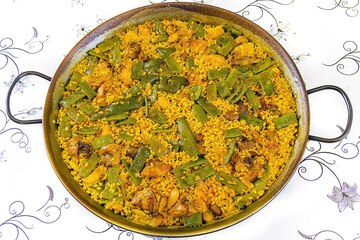
Paella is a traditional Spanish rice dish originating from the Valencia region, typically cooked in a wide, shallow pan over an open flame. It features short-grain rice flavored with saffron, combined with ingredients like seafood such as shrimp and mussels, chicken, rabbit, or vegetables including green beans and tomatoes, depending on the variation. Often prepared for gatherings, it's served family-style directly from the pan, highlighting regional flavors and communal dining in Spain.
Paella originated in Valencia, so visit there for the most authentic versions of the dish.
Eat manti in Turkey TURKEY
Manti is a traditional Turkish dumpling dish originating from regions including central Anatolia, filled with spiced ground meat or lentils, boiled and served with yogurt, garlic, and a buttery tomato or paprika sauce. In Turkey, it appears on menus across the country, with local variations like Kayseri's walnut-topped version or those in eastern cities using pumpkin fillings, making it a staple for everyday meals and family gatherings.
Traditional manti are tiny dumplings, often requiring a skilled cook to fill and seal them perfectly.
Eat a full English breakfast in England ENGLAND
A full English breakfast, commonly enjoyed in England, typically consists of fried or scrambled eggs, back bacon, pork sausages, baked beans, grilled tomatoes, sautéed mushrooms, and buttered toast, often accompanied by black pudding or hash browns. It's a hearty, savory meal served hot, usually with tea or coffee, and is a staple in cafes, hotels, and homes across the country.
The full English breakfast typically includes eggs, bacon, sausages, baked beans, tomatoes, mushrooms, and toast.
Try borsch in Ukraine UKRAINE
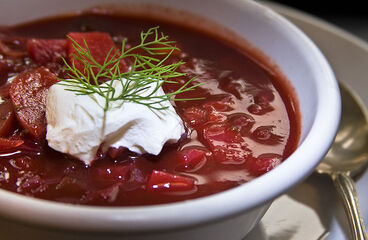
Borscht is a traditional Ukrainian soup made primarily from beets, which give it a distinctive red color, along with ingredients like cabbage, potatoes, carrots, onions, and sometimes meat such as beef or pork. It's often served with sour cream and fresh dill, and can be enjoyed hot or cold depending on the season and regional variations across Ukraine. This hearty dish reflects everyday home cooking and is commonly prepared for family meals or holidays.
Borscht is Ukraine's national soup, made from beets, cabbage, potatoes, and often meat or beans.
Eat lángos in Hungary HUNGARY
Lángos is a traditional Hungarian street food consisting of a deep-fried dough made from flour, yeast, water, and salt, typically shaped into a flat disc and cooked until golden and crispy. It's commonly topped with simple ingredients like garlic sauce, sour cream, grated cheese, or sometimes ham, and is widely available at markets, fairs, and food stalls across Hungary, especially in Budapest.
You can find authentic lángos at Budapest's Great Market Hall or street vendors near Lake Balaton.
Try stuffat tal-fenek in Malta MALTA
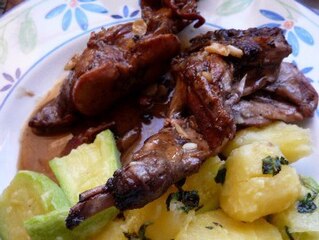
Stuffat tal-fenek is a traditional Maltese stew featuring rabbit as the main ingredient, slow-cooked with tomatoes, onions, garlic, herbs, and red wine for several hours to develop rich flavors. This dish holds a place in Maltese cuisine, often prepared for family gatherings or special occasions, and is commonly paired with potatoes, pasta, or crusty bread to soak up the sauce.
Stuffat tal-fenek is Malta's national dish, featuring rabbit slow-cooked with tomatoes, garlic, and red wine.
Try hákarl in Iceland ICELAND
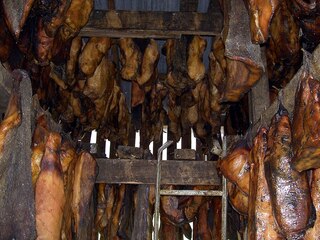
Hákarl is a traditional Icelandic food made from the meat of the Greenland shark, which is fermented for several months by burying it in gravel and then hanging it to dry, resulting in a strong ammonia flavor and chewy texture often served in small cubes as a delicacy or snack, typically accompanied by a shot of brennivín to help with the taste.
Hákarl is fermented Greenland shark meat, buried for months to neutralize its natural toxins.
Eat goulash in Hungary HUNGARY
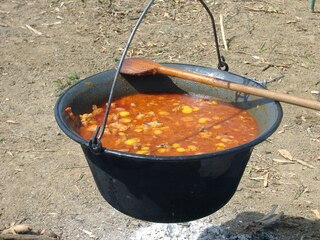
Goulash is a traditional Hungarian stew, known as gulyás in the local language, made primarily with beef, onions, paprika, and potatoes, often simmered slowly for rich flavor. It originated as a herdsman's meal in the Hungarian plains and remains a staple dish across the country, commonly served in homes and restaurants with bread or dumplings.
Authentic goulash uses Hungarian sweet paprika, which gives it a distinctive red color and mild spice.
Eat bacalhau in Portugal PORTUGAL
Bacalhau, or salted cod, holds a central place in Portuguese cuisine, with origins tracing back to the country's seafaring history and the need for preserved fish during long voyages. It is prepared in numerous ways across Portugal, from grilled versions with olive oil and garlic to baked dishes mixed with potatoes, onions, and cream, and remains a staple in everyday meals as well as holiday feasts like Christmas Eve.
Portugal imports most of its bacalhau from Norway, despite having a long coastline.
Eat moussaka in Albania ALBANIA
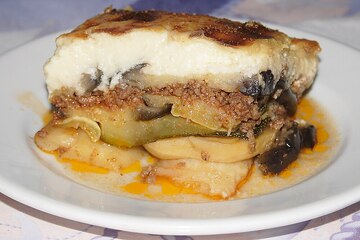
Moussaka in Albania, known locally as musaka, is a hearty baked casserole typically made with layers of sliced potatoes, ground beef or lamb, onions, and sometimes eggplant or zucchini, seasoned with spices like paprika and black pepper. It's often topped with a simple egg or yogurt mixture rather than the richer béchamel sauce found in Greek versions, and it's commonly served as a main dish in homes and modest eateries, reflecting the country's Balkan culinary influences.
Albanian moussaka typically features layers of eggplant, potatoes, ground meat, and a creamy béchamel topping.
Try verivorst in Estonia ESTONIA
Verivorst is a traditional Estonian blood sausage made from pork, barley groats, blood, and spices like marjoram and onion, typically stuffed into casings and boiled or baked. It is a common dish during winter holidays, especially Christmas, and often served with lingonberry jam, sauerkraut, or potatoes in Estonian cuisine.
In Estonia, verivorst is often served during Christmas with lingonberry jam and boiled potatoes.
Eat moussaka in Greece GREECE
Moussaka is a traditional Greek casserole layered with eggplant, potatoes, ground meat (usually lamb or beef) cooked in a tomato-based sauce, and topped with a thick béchamel sauce before baking until golden. Found across Greece, especially in tavernas and home kitchens, it represents everyday comfort food with regional variations like adding zucchini or using different spices. Sampling it in places like Athens or Crete offers a straightforward taste of local culinary tradition.
Moussaka layers eggplant, ground meat, and béchamel sauce in a baked casserole dish.
Eat Smørrebrød in Denmark DENMARK
Smørrebrød consists of open-faced sandwiches on dense rye bread topped with ingredients like pickled herring, smoked salmon, liver pâté, or roast beef, often garnished with remoulade, onions, or herbs. This Danish tradition originated in the 19th century as a working-class lunch and is now a staple in Copenhagen restaurants and bakeries, where visitors can sample platters with aquavit.
Smørrebrød originated in the 19th century as a hearty lunch for Danish workers using rye bread and local toppings.
Eat khachapuri in Georgia GEORGIA
Khachapuri is a beloved staple of Georgian cuisine, originating from the country of Georgia in the Caucasus region, where it takes the form of a warm, boat-shaped bread filled with melted cheese, often topped with a runny egg yolk and a pat of butter for a rich, indulgent experience that's commonly enjoyed as a hearty meal or snack, symbolizing the nation's culinary heritage and hospitality.
Khachapuri is a traditional Georgian cheese bread with regional varieties like Adjarian, topped with egg and butter.
Eat pelmeni in Russia RUSSIA
Pelmeni are traditional Russian dumplings filled with minced meat, typically pork and beef or lamb, seasoned with onions and wrapped in thin unleavened dough. Originating from Siberia and the Ural region, they are boiled or fried and served in many Russian households, especially in colder areas like Siberia, often with sour cream, butter, vinegar, or broth. In places like Irkutsk or Novosibirsk, locals make them fresh during family gatherings or buy them from markets, reflecting everyday Siberian cuisine.
The name "pelmeni" means "ear bread," referring to their shape resembling ears.
Eat trdelník in Czech Republic CZECH REPUBLIC
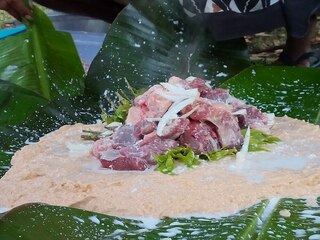
Trdelník is a traditional Czech pastry from the Czech Republic, consisting of dough wrapped around a wooden spindle, grilled over coals, and coated in sugar and cinnamon. Originating in the 15th century from Slovakia but popularized in Prague's street markets, it is often filled with ice cream, fruit, or whipped cream. Visitors can watch it being made fresh at Old Town Square stalls and eat it hot as a quick snack.
Trdelník originated in 15th-century Romania as a festive treat before becoming iconic in Prague.
Oceania & Pacific
Try laplap in Vanuatu VANUATU
Lap lap is a traditional dish from Vanuatu, prepared by grating root vegetables like yam, taro, or cassava into a paste, mixing it with coconut milk, and often incorporating ingredients such as meat, fish, or greens. The mixture is then wrapped in banana leaves and cooked in an underground oven or over hot stones, resulting in a dense, pudding-like food that serves as a staple in local cuisine.
Lap lap is Vanuatu's national dish, made from grated root vegetables, coconut milk, and baked in leaves.
Eat a meat pie in Australia AUSTRALIA

An Australian meat pie is a handheld savory pastry typically filled with minced beef, gravy, onions, and sometimes mushrooms or cheese, encased in a flaky shortcrust base and puff pastry top. It's a staple fast food item, commonly enjoyed at sporting events, bakeries, or petrol stations, often topped with tomato sauce and priced affordably around $4-6.
To eat like locals, add tomato sauce on top of your hot meat pie before biting in.
Try halo-halo in the Philippines PHILIPPINES

Halo-halo is a beloved Filipino dessert that translates to "mix-mix" in Tagalog, featuring a vibrant medley of shaved ice layered with sweet ingredients like boiled kidney beans, chickpeas, coconut strips, jackfruit, nata de coco, and gelatin, all drizzled with evaporated milk and often topped with a scoop of ube ice cream, leche flan, or pinipig (toasted rice). Typically enjoyed as a refreshing treat during hot weather, it's a staple street food and home dessert, symbolizing the Philippines' rich culinary fusion of indigenous, Spanish, and Asian influences.
The name halo-halo means mix-mix in Tagalog, so stir it before eating to blend flavors.
Try vegemite on toast in Australia AUSTRALIA
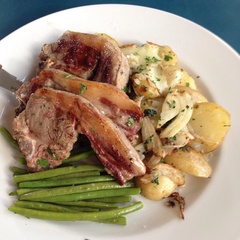
Vegemite on toast is a staple Australian breakfast, made by spreading a thin layer of the salty, yeast-extract paste on buttered toast. Originating in the 1920s from recycled brewer's yeast, it's an everyday ritual in homes and cafes across Australia, often paired with avocado, cheese, or just eaten plain for its intense umami flavor.
Vegemite was invented in 1922 by Australian chemist Cyril Callister using brewer's yeast extract from wartime rations.
Eat lamb roast in New Zealand NEW ZEALAND

Lamb roast in New Zealand involves cooking a leg of lamb over an open fire or in a hangi pit, a traditional Māori earth oven method using hot rocks buried underground. This technique, common in rural areas and during gatherings, results in tender, smoky meat infused with native herbs like horopito and manuka. It's typically paired with kumara, potatoes, and seasonal vegetables, offering a straightforward taste of Kiwi barbecue culture.
New Zealand lamb is world-renowned for its tender flavor from grass-fed sheep roaming lush pastures.
Eat pavlova in New Zealand NEW ZEALAND
Pavlova is a meringue-based dessert widely enjoyed in New Zealand, featuring a crisp outer shell with a soft interior, topped with whipped cream and fresh fruits such as kiwi, strawberries, or passionfruit. It originated in the early 20th century and is commonly served at holidays, barbecues, and family gatherings, reflecting its status as a national treat.
Pavlova is a meringue-based dessert that New Zealand claims to have invented in the 1920s.
ALSO ON DAY ZERO...
Get inspired with these ideas for interesting and different experiences around the world.
Take your goal setting to the next level with a whole set of exclusive features that will empower you to achieve more.
OTHER FEATURE LISTS

Kickstart the year with intention and excitement by diving into this ultimate collection designed to fuel your personal growth and renewal.
Let the whisper of fresh snow inspire visions of epic descents across the US's finest resorts, from Alaska's wild frontiers to Vermont's wooded wonders.

Unlock your inner chef through the Ultimate Food List. These 80 bite-sized challenges are designed for kitchen enthusiasts eager to master techniques and savor the journey.

Explore our Top 100 Medieval Castles, a curated collection of iconic strongholds ready to inspire your next historic travel journey.

More than landmarks, these lighthouses shine as reminders to stay the course and seek new experiences to add to your life list.

Uncover Latin America’s treasures with these 50 UNESCO World Heritage Gems, where history and beauty collide.

Discover 45 unforgettable U.S. food festivals, from Cajun feasts to maple celebrations, perfect for every foodie’s bucket list.

Discover the ultimate ranking of the world's 50 best beaches for 2025, curated by the World’s 50 Best Beaches website and voted on by over 1,000 top travel influencers, journalists, and bloggers.

Embark on a global adventure with our definitive guide to every capital city, showcasing the vibrant hubs of culture, history, and travel.

Explore a fun, curated collection of goals that start with the word ‘Watch’, handpicked from the creative minds of Day Zero Project members!

The Formula One World Championship races across iconic tracks like Monaco and Silverstone, blending tradition with modern venues like Singapore. Spanning continents, it offers high-speed thrills and sprint races for extra excitement. Which races would you attend?